The Training Market

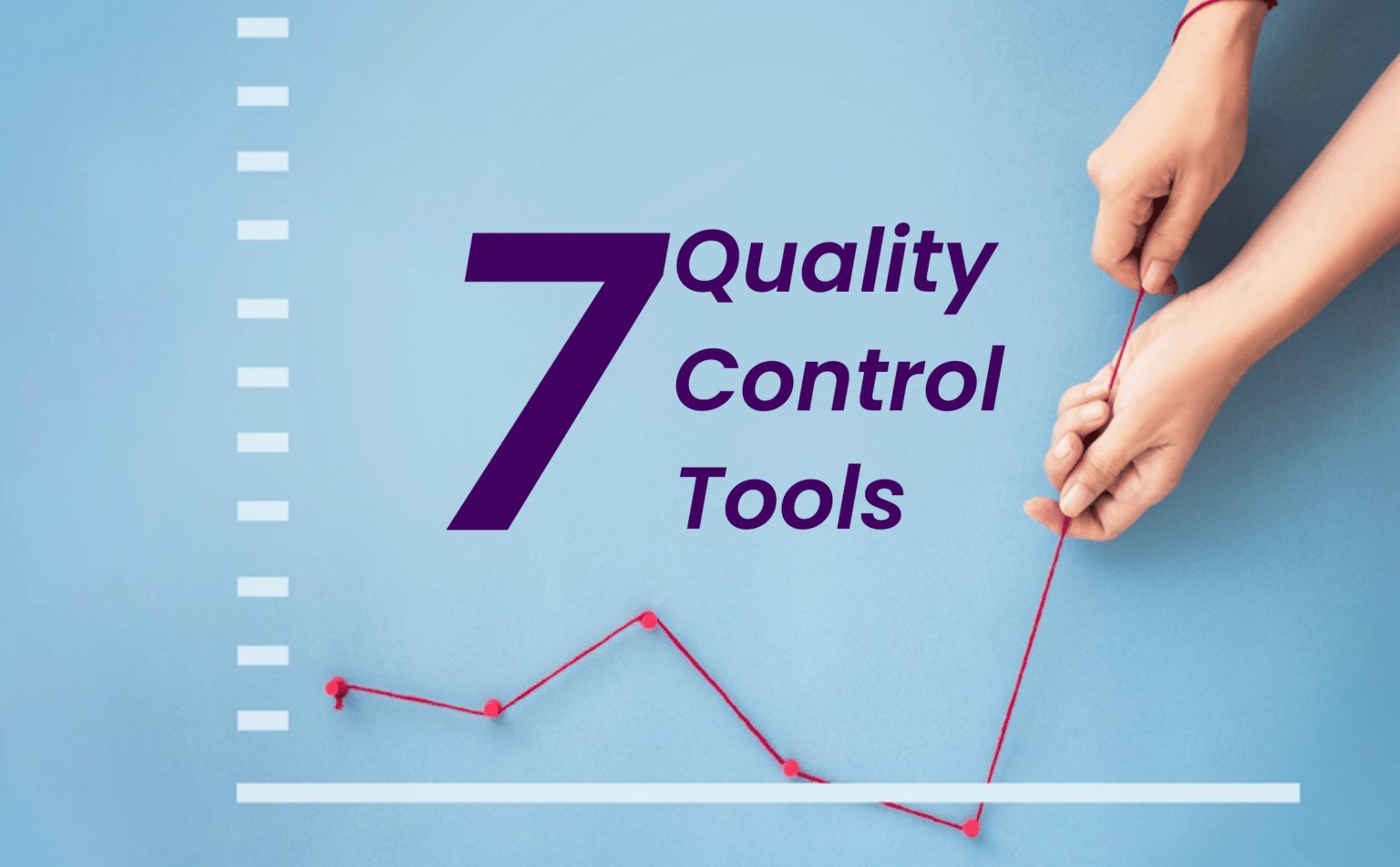
Basic 7 Quality Control Tools

Image

Introduction


No introduction available.

Objective


  • Know-how on data collection and analysis
  • Visual identification of significant problems
  • Sorting ideas into useful categories
  • Effective tool for QC circles
  • Analyze variation from a process
  • Visual display of numerical data
  • Determine the cause and effect relationship
  • Decisions are based on analysis of data

Key Takeaway


No key takeaways available.

Outline


Module 1 - Introduction

  • Difference between QA & QC?
  • What is quality?
  • What are variation and its principles?
  • PDCA cycle

Module 2 - Checklist

  • Description
  • When to use
  • Procedure
  • Example
  • Variation: confirmation checklist
  • Considerations
  • Practice 1

Module 3 - Pareto Chart

  • Description
  • When to use
  • Procedure
  • Example
  • Considerations

Module 4 - Cause & Effect Diagram

  • Description
  • When to use
  • Procedure
  • Variation 1: Cause Enumeration Diagram
  • Variation 2: Process Fishbone
  • Variation 3: Time-Delay Fishbone
  • Example
  • Considerations

Module 5 -  Histogram

  • Description
  • When to use
  • Procedure
  • Example
  • Considerations

Module 6 - Control Charts

  • Description
  • When to use
  • When to use X bar and R chart
  • When to use chart for individuals
  • When to use moving average-moving range chart
  • When to use attribute chart
  • Basic procedure
  • Examples
  • Considerations

Module 7 - Graphs

  • Description
  • When to use
  • Basic Procedure
  • Variations for graphing labeled data, Dot Chart, Bar Chart, Divided Bar Chart, Pie Chart, Histogram and Stem & Leaf Display, Point Graph, Percentile Graph and Box Plot.
  • Example
  • Considerations

Module 8 - Scatter Diagram

  • Description
  • When to use
  • Procedure
  • Example
  • Considerations

Who Should Attend


This course is designed for QMR, QA Managers, Assistant QA Managers who are seeking to enhance their skills and know-how on the basic tools in quality control. It will also benefit those charged with creating or directing monitoring and measuring services.


Methodology


This course is essentially participative and practical, emphasizing learning through experience, both from structured activities on the program eg. Role plays, group work, video screening, case studies and discussion from individual experience.
Basic 7 Quality Control Tools

  • Image

    000062

  • Image

    2 Days

  • Image

    RM 0.00

Featured Courses

Whatsapp Us